Trap Poetry Tickets
Up to 30% Off Compared to Competitors.
Location: Select Location (e.g, New York)
Events Nearby
We're Sorry. There are currently no events near you.
About Trap Poetry
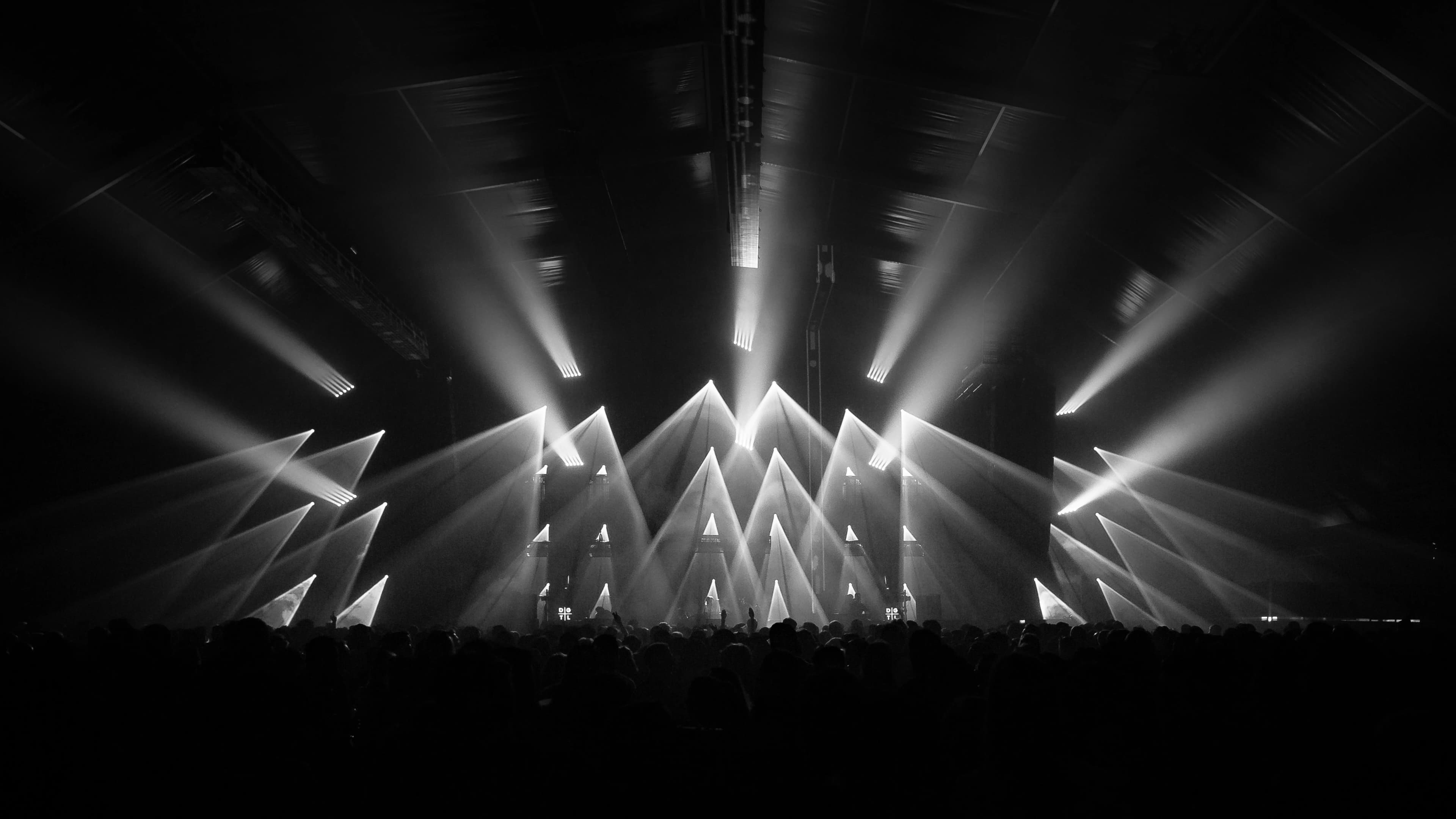
Currently, Trap Poetry is gaining momentum as more artists incorporate it into larger concert events, including festivals and collaborations with mainstream musicians. These concerts often feature a lineup of artists who blend spoken word with live instrumentation and DJ mixes, creating immersive experiences for audiences. Notable events include trap poetry showcases at music festivals like Afropunk, where emerging poets and established artists come together to perform. The trend is also evident in independent concerts and community events, aiming to promote local artists while fostering deeper connections with audiences. Social media platforms have played a crucial role in the recent resurgence of interest in Trap Poetry, with artists utilizing TikTok and Instagram to share snippets of their performances, attracting fans and live event organizers alike. This digital presence has translated into physical events, with live performances often selling out and garnering enthusiastic responses. As Trap Poetry grows, it is poised to influence even more concerts and live events, shaping the future of not just poetry but the broader music landscape by introducing new forms of storytelling and expression to the live event scene.
Trap Poetry History
Trap Poetry emerged in the early 2010s as a fusion of hip-hop inspired rhyme schemes and the raw emotional expression characteristic of traditional poetry. Artists began using the beats and rhythms of trap music—a subgenre of hip-hop that originated from the Southern United States—to deliver pulsating live performances that resonate with audiences on a visceral level. The genre thrives in urban environments where spoken word poetry intersects with rap culture, drawing influence from artists such as Chance the Rapper and Azealia Banks. Trap Poetry gained popularity in performance venues, attracting diverse audiences eager for authentic, personal narratives layered over catchy beats. Key events such as poetry slams and open mic nights in cities like Atlanta and New York played pivotal roles in its rise, allowing poets to showcase their craft while engaging in social commentary. This platform allowed poets to address issues such as social justice, identity, and resilience, setting the stage for the dynamic live concerts that would soon follow. Over the years, Trap Poetry has evolved into a respected art form, creating a community where performance and artistry converge, and fostering an environment where voices from marginalized communities can be amplified through powerful live events.