Supernova Tickets
Up to 30% Off Compared to Competitors.
Location: Select Location (e.g, New York)
Events Nearby
We're Sorry. There are currently no events near you.
About Supernova
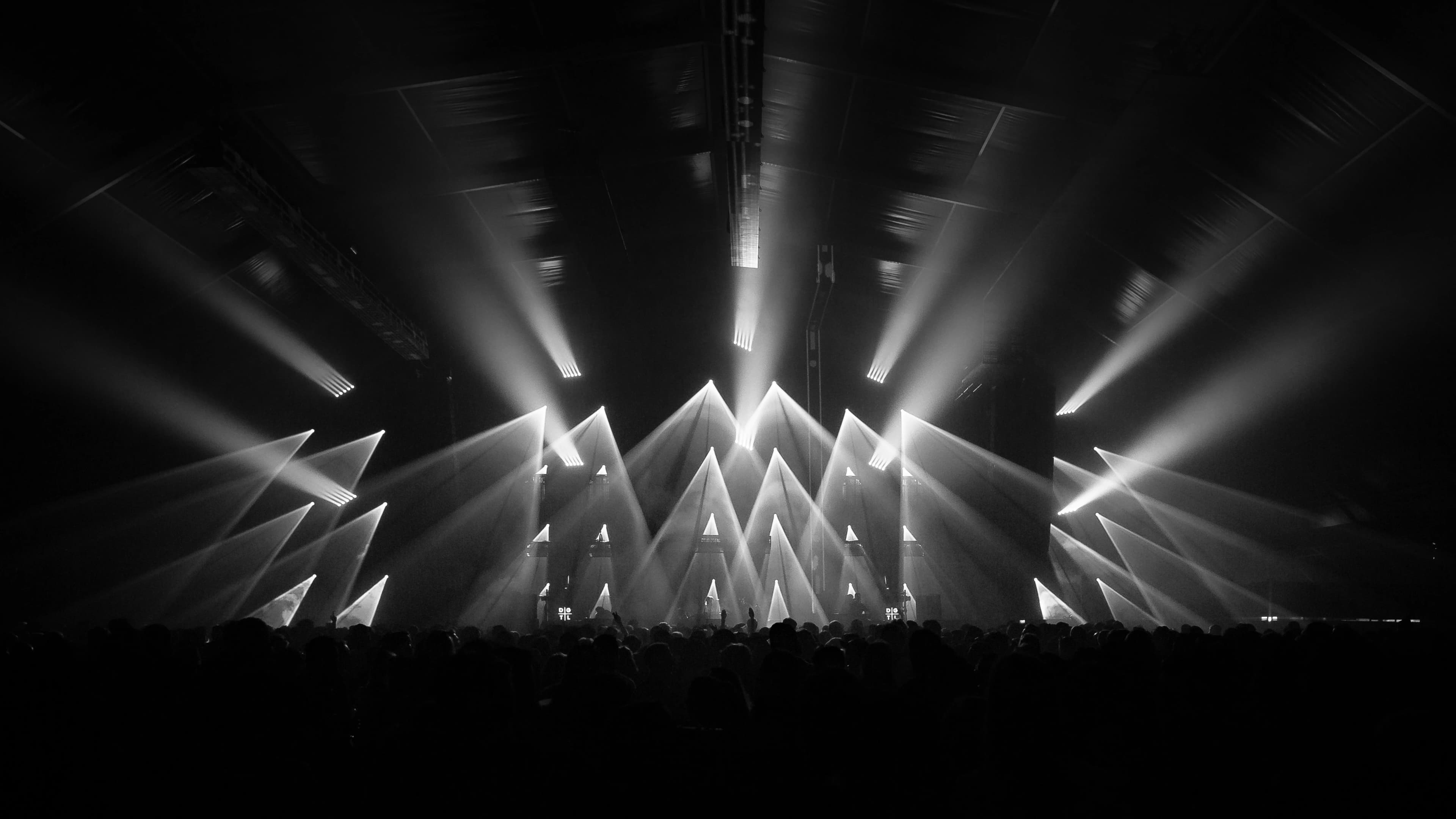
Currently, the concert scene marked by the 'Supernova' experience is thriving, driven by the return of live performances following pandemic-induced hiatuses. Big-name artists and emerging acts alike are embracing this energetic format to reconnect with audiences craving live entertainment. Major festivals such as Coachella, Lollapalooza, and Tomorrowland have embedded these epic concert elements into their core, incorporating cutting-edge technology and thrilling performances. For instance, renowned DJs and electronic artists are famous for their visually stunning sets that turn the stage into a vibrant spectacle, engaging the crowd through advanced lighting effects and synchronized visuals. Additionally, popular artists like Billie Eilish and The Weeknd have started incorporating immersive storytelling and artistic visualizations in their live shows, creating a 'Supernova' effect during their album tours. Furthermore, the rise of streaming platforms and virtual concerts has fueled innovation, as performers experiment with hybrid shows that combine in-person audiences with virtual attendees, expanding their reach and enhancing the concert experience. Fans can look forward to the 2023 concert season, where 'Supernova' performances are expected to highlight new releases and innovative artistic expressions, promising shows that not only entertain but also leave a lasting imprint on the audience's hearts and minds.
Supernova History
The term 'Supernova' in the context of concerts often refers to a spectacular and explosive live performance. The origin of the name is rooted in astronomy, where a supernova signifies a star that suddenly increases in brightness due to a catastrophic explosion, creating an impressive display in the night sky. Concerts labeled 'Supernova' aim to capture this level of excitement and intensity, mirroring the dynamic nature of this celestial event. The history of such concerts can be traced back to the late 20th century when live music began to evolve into an immersive experience focused on elaborate stage designs, lighting, and multimedia art. Noteworthy examples include massive music festivals and high-energy performances by genres such as rock, electronic dance music (EDM), and pop. The integration of visual effects, pyrotechnics, and elaborate choreography took center stage, pushing the boundaries of what a concert could mean. This trend has continued to gain momentum into the 21st century, becoming a staple feature for many top artists and bands aiming to create unforgettable live experiences that resonate long after the music has finished.