
Kpop Dance Party Tickets
Up to 30% Off Compared to Competitors.
Location: Select Location (e.g, New York)
Events Nearby
We're Sorry. There are currently no events near you.
About KPOP Dance Party
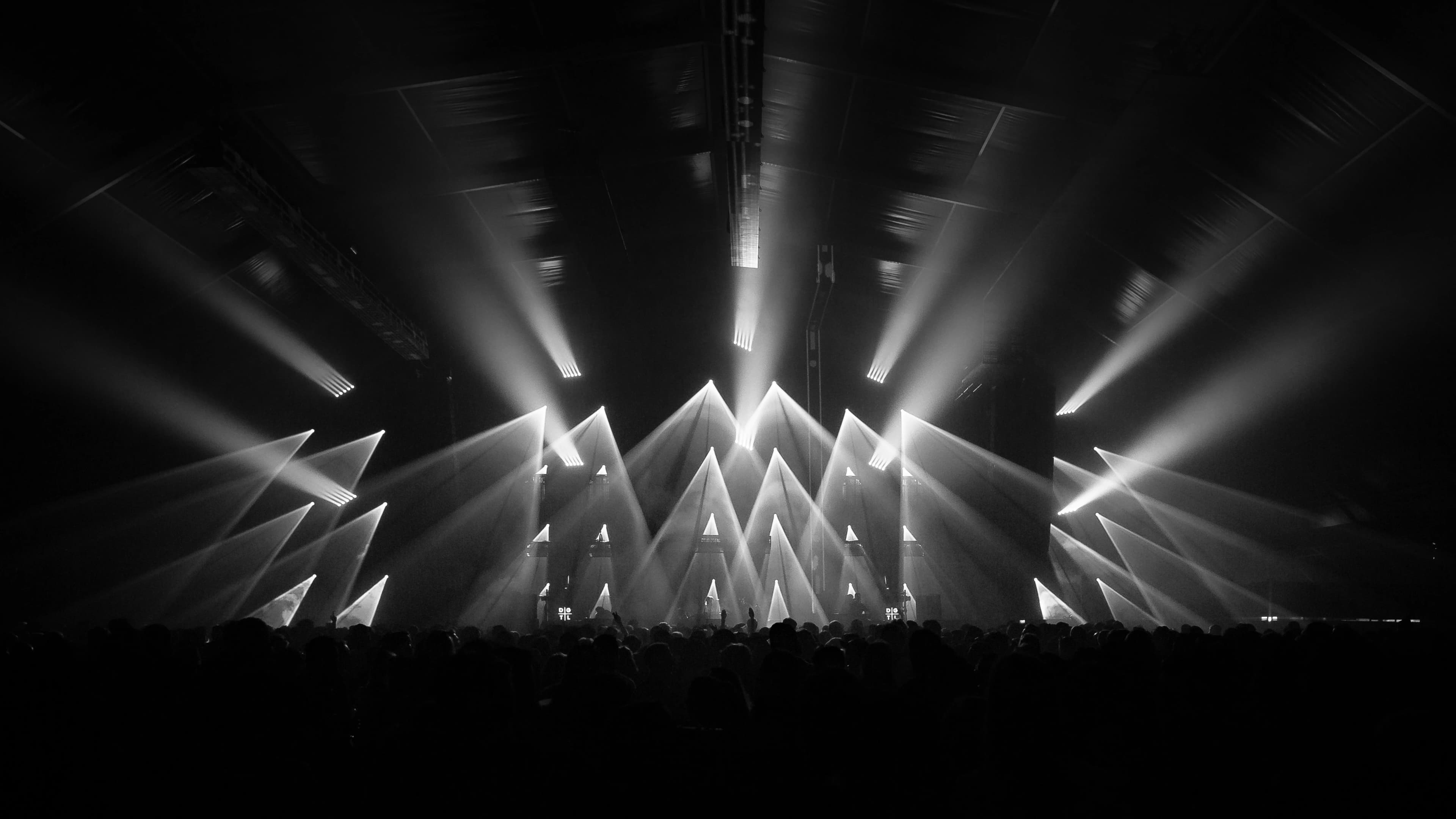
Currently, K-pop dance parties are thriving in major cities worldwide, reflecting the genre's international appeal. Events often feature DJ sets of popular K-pop tracks, dance battles, and even guest performers from the K-pop dance scene. Cities like Los Angeles, New York, London, and Tokyo regularly host themed parties, attracting fans of all ages. Social media plays a significant role in promoting these events, with platforms like Instagram and TikTok serving as avenues for fans to showcase their dance covers and share event highlights. In addition to club parties, some organizations are introducing K-pop dance workshops that teach fans how to perform choreography from their favorite groups, further enhancing the culture. As K-pop continues to dominate the music industry and garner a diverse fanbase, these dance parties are expected to evolve, potentially incorporating virtual reality experiences and collaborations with K-pop artists themselves. With the rising popularity of girl groups and the recently concluded multiple world tours, the anticipation for events like these remains high, ensuring the K-pop dance party will remain a staple in the concert and live event scene.
KPOP Dance Party History
K-pop, or Korean pop music, has emerged as a worldwide phenomenon since the early 1990s. It incorporates various musical genres, including pop, hip-hop, R&B, and electronic music, combined with vibrant choreography, fashion, and visuals. The roots of K-pop can be traced back to the first generation artists like Seo Taiji and Boys, who debuted in 1992, blending Western music styles with Korean lyrics and cultural elements. As the genre evolved, groups like H.O.T., S.E.S, and Fin.K.L captured the hearts of fans and paved the way for the second generation of K-pop artists, most notably TVXQ, Big Bang, and Girls' Generation. By the 2010s, groups like BTS, EXO, and BLACKPINK propelled K-pop into global superstardom, making it a significant cultural export of South Korea. K-pop dance parties began to pop up around the world, fueled by the rising popularity of K-pop idol groups. These events, often hosted in clubs or dedicated venues, focus on both the music and the iconic choreography that makes the genre so captivating. Attendees are encouraged to learn and perform dance routines of their favorite songs, creating a community of enthusiastic fans celebrating their shared love for K-pop culture. Besides the fandom aspect, these parties serve as a platform for aspiring dancers, allowing them to showcase their skills, often culminating in dance competitions. The K-pop dance party phenomenon continues to grow, connecting fans globally and nurturing a vibrant dance culture.