Improvement Movement Tickets
Up to 30% Off Compared to Competitors.
Location: Select Location (e.g, New York)
Events Nearby
We're Sorry. There are currently no events near you.
About Improvement Movement
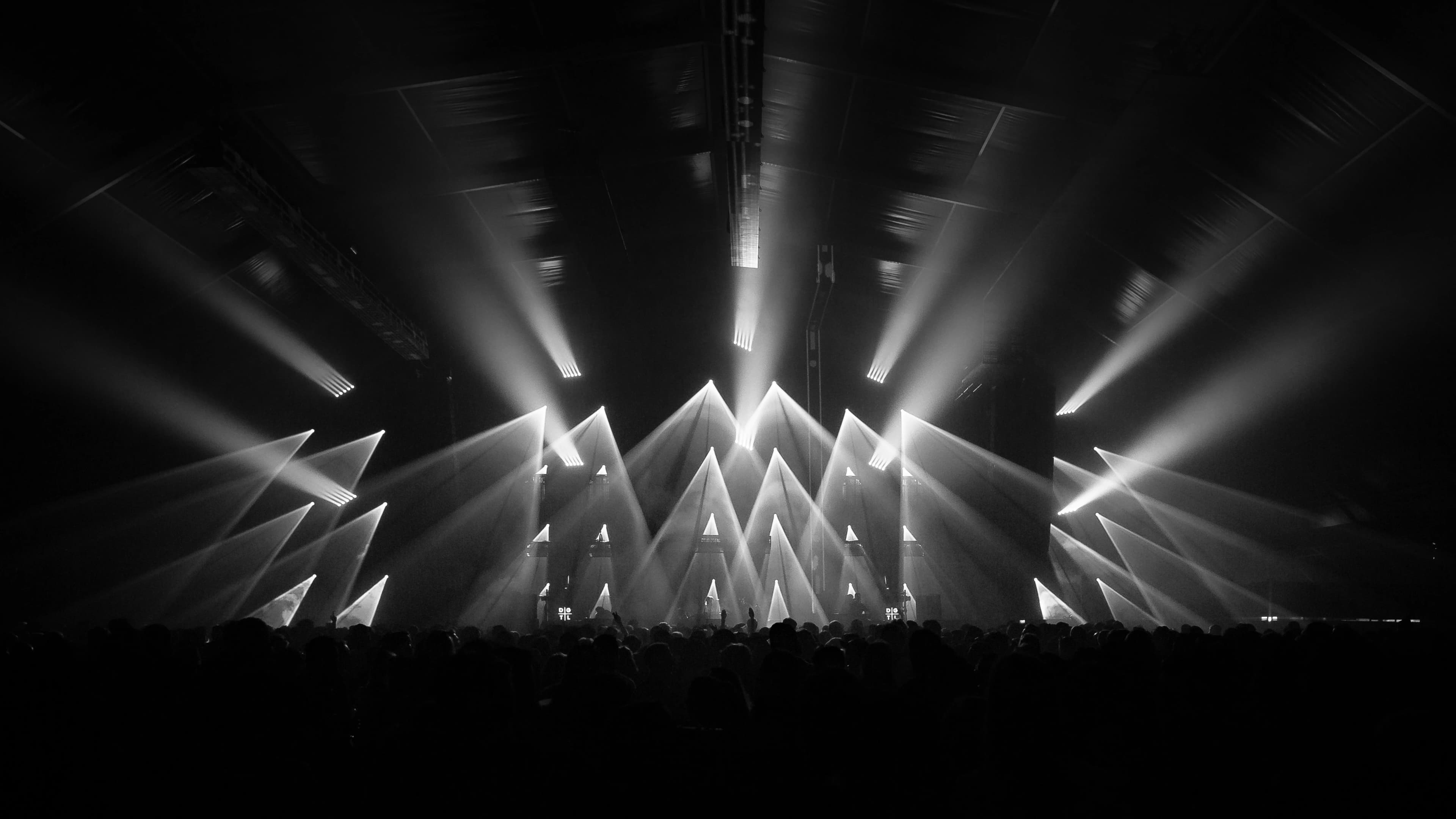
Currently, the concert scene is vibrant and diverse, with a myriad of live events catering to different musical tastes and preferences. Major cities around the world host a variety of concerts, from classical symphonies in grand concert halls to intimate acoustic performances in small venues. Festivals like Coachella, Glastonbury, and Lollapalooza have become cultural phenomena, attracting thousands of attendees and featuring a lineup of popular and emerging artists across genres. The rise of technology has also transformed the concert experience, with many performers utilizing advanced sound and lighting systems to create immersive experiences for their audiences. Live streaming concerts have gained popularity, especially in the wake of the COVID-19 pandemic, allowing artists to reach global audiences from the comfort of their homes or studios. Additionally, there is a growing emphasis on sustainability and inclusivity in live events, with many organizers making concert experiences more accessible to people of all backgrounds and abilities. As the concert industry continues to evolve, it remains a vital part of the cultural landscape, offering artists a platform to connect with their fans and share their music in dynamic and engaging ways.
Improvement Movement History
The Improvement Movement in the context of concerts emerged in the late 19th and early 20th centuries as a response to the growing popularity of mass entertainment and the industrialization of music. This movement aimed to elevate the standard of live performances and enhance the overall concert experience for audiences. It was characterized by a focus on artistic integrity, the quality of musicianship, and the overall ambiance of live events. Influential figures such as conductor Arthur Nikisch and composer Gustav Mahler championed the Improvement Movement, advocating for better orchestral training and improved concert hall acoustics. They believed that concerts should not only showcase music but also create a connection between performers and audiences, fostering a shared emotional experience. This era saw the establishment of formal concert etiquette and the rise of subscription concerts, which allowed audiences to experience a wider range of music in a more structured setting. The Improvement Movement laid the groundwork for modern concert practices, emphasizing the importance of professionalism and artistry in live performances. As a result, it contributed significantly to the evolution of live music events, leading to the development of various genres and styles that continue to thrive today.