
Easter Oratorio Tickets
Up to 30% Off Compared to Competitors.
Location: Select Location (e.g, New York)
Events Nearby
We're Sorry. There are currently no events near you.
About Easter Oratorio
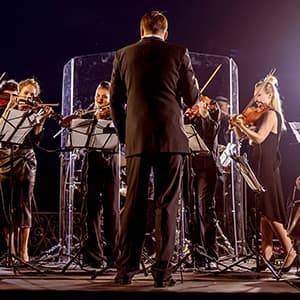
In recent years, the Easter Oratorio has enjoyed renewed interest from audiences and performers alike, with various concerts held in celebration of its themes and musicality. Music festivals and choral societies often program the Oratorio as part of their Easter celebrations. Conductors and orchestras strive to capture the vibrant spirit of the composition, introducing it to new generations. For instance, prominent orchestras may collaborate with renowned soloists to present performances in grand concert halls, while smaller ensembles might offer intimate renditions in community churches. Additionally, digital performances and live-streamed events have expanded the Oratorio's reach, allowing audiences worldwide to partake in the experience. This ongoing engagement not only honors Bach's legacy but also brings a sense of community and celebration to the Easter festivities, resonating with both classical music aficionados and newcomers alike.
Easter Oratorio History
The Easter Oratorio, composed by Johann Sebastian Bach in 1725, is a vibrant and uplifting piece of sacred music originally written to celebrate the joyful occasion of Easter. Known as BWV 249, this work was performed for the first time on Easter Sunday at the St. Thomas Church in Leipzig, where Bach served as a music director. The piece features a combination of choral, instrumental, and vocal elements that reflect the themes of resurrection and renewal. Drawing from the historical context of the early 18th century, Bach's Easter Oratorio stands out as an embodiment of the Baroque style, intertwined with German Lutheran traditions. The oratorio is a testament to Bach's innovative approach, as he blended festive orchestration with poignant vocal prowess, ensuring its place in the canon of sacred choral compositions. The rich textures and dynamic contrasts appeal to audiences, making it a staple in concert repertoires across the globe, particularly during the Easter season.