Christian Death Tickets
Up to 30% Off Compared to Competitors.
Location: Select Location (e.g, New York)
Events Nearby
We're Sorry. There are currently no events near you.
About Christian Death
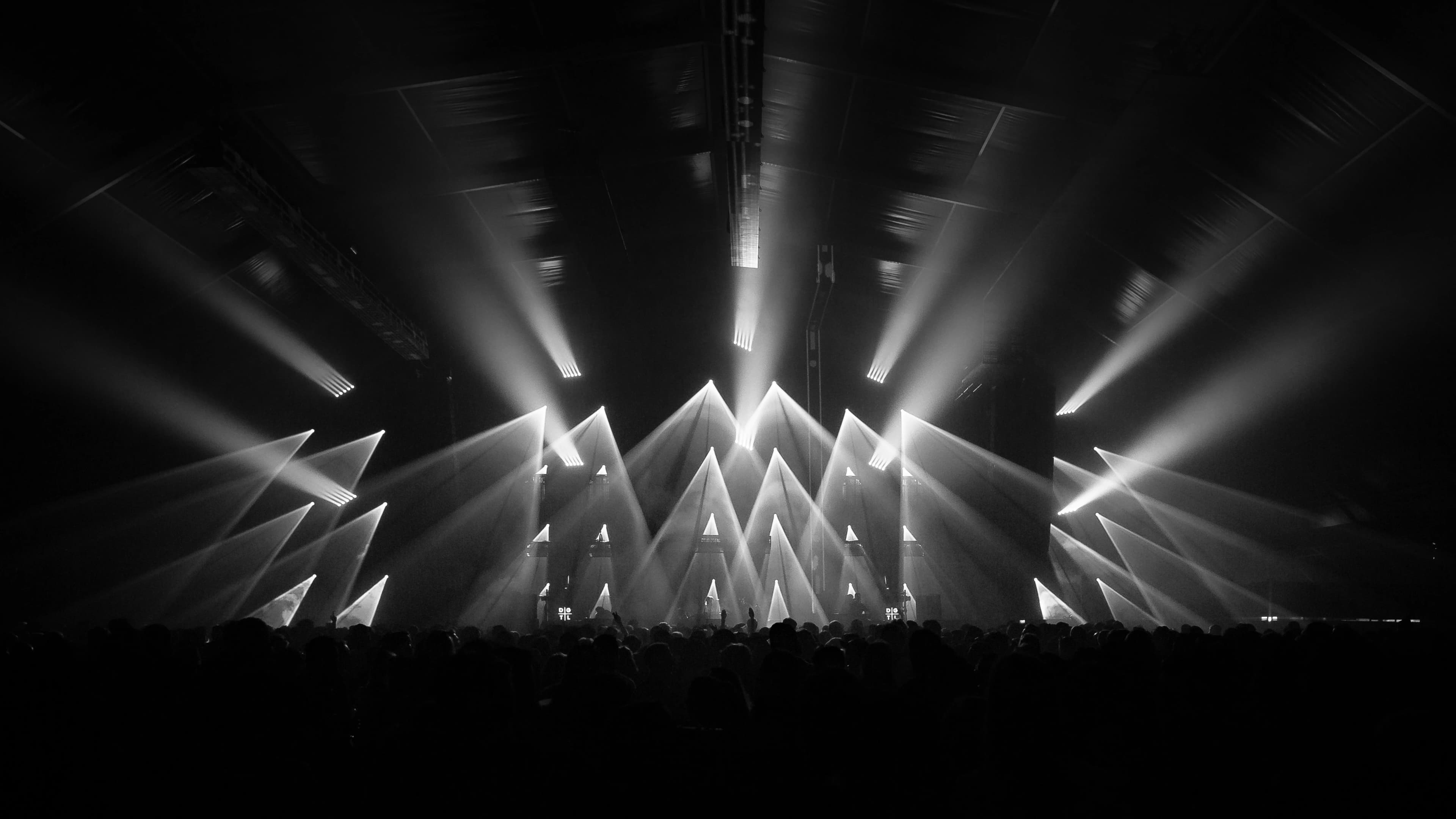
In current events, Christian Death continues to tour internationally, captivating audiences with their haunting melodies and powerful performances. In 2023, the band announced a series of concerts across Europe and the United States, where they performed classic tracks alongside newer material from their latest album. Fans were treated to an immersive experience, complete with dramatic lighting and elaborate stage setups that reflected their gothic aesthetic. Special fan events were also organized, giving attendees a chance to engage with the band members in Q&A sessions, creating a deeper connection with their artistry. Social media platforms have been abuzz with concert footage, fan reactions, and setlists, highlighting the continued relevance of Christian Death in the contemporary music scene. The band's ability to adapt while maintaining their unique sound and vision speaks volumes about their lasting impact and the ongoing evolution of live performances in the gothic rock genre.
Christian Death History
Christian Death, founded in 1979 in Los Angeles, California, is one of the most influential bands in the gothic rock genre. They were pioneers of the deathrock movement, characterized by their dark themes and theatrical performances. The band's original lineup included vocalist Rozz Williams and guitarist Jim M. Christian Death's first album, 'Only Theatre of Pain,' released in 1982, established their signature sound, blending punk's raw energy with gothic aesthetics. Over the years, the group has experienced numerous lineup changes, but Williams remained a driving force until his tragic death in 1998. After his passing, the band continued under the leadership of guitarist Valor Kand, who has helped to shape their evolving sound while honoring the legacy of the original lineup. Their concerts, often filled with a strong sense of spectacle and emotion, became a staple in alternative music scenes, both in the United States and abroad. The band's historical contribution to the gothic subculture, including their visual art and fashion influences, has cemented them as a key figure in live music history.