Chamber Music Classics Tickets
Up to 30% Off Compared to Competitors.
Location: Select Location (e.g, New York)
About Chamber Music Classics
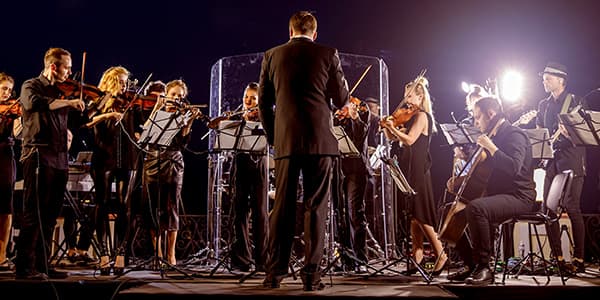
Currently, the world of chamber music is thriving with a myriad of concerts and performances that highlight the beauty and intimacy of the genre. Festivals like the Marlboro Music Festival, the Chamber Music Society of Lincoln Center's concert series, and the Aspen Music Festival draw notable ensembles and enthusiastic audiences alike. These events present both classical masterpieces and new compositions, offering audiences a diverse musical experience. Many performers have recently ventured into virtual concerts and hybrid performances, allowing for greater accessibility and reach. Furthermore, notable chamber groups like the former Emerson String Quartet, now in its final season, have been drawing attention as they celebrate their legacies while continuing to engage audiences. Collaboration with other art forms, such as dance and visual arts, is more prevalent than ever, thus revitalizing the stage with fresh interpretations of classic works. With an increase in educational outreach and community-focused performances, chamber music continues to cultivate a deep appreciation among emerging generations, ensuring its vibrant legacy for years to come.
Chamber Music Classics History
Chamber music has a rich and varied history that dates back to the Renaissance and Baroque periods, evolving over centuries into a distinctly recognized and appreciated genre. Initially, chamber music was played in intimate settings, often within royal courts or private homes, fostering personal communication among performers. The term 'chamber' refers to this exclusivity, contrasting with large orchestral performances. The classical period saw composers like Haydn, Mozart, and Beethoven elevate the form, creating splendid works for smaller ensembles, with string quartets and piano trios becoming particularly popular. In the 19th century, composers such as Brahms and Schumann added depth and complexity, imbuing chamber music with emotional and narrative elements. The late 20th and early 21st centuries have seen chamber music reinvigorated through innovative projects that merge traditional classical compositions with contemporary works, as well as interdisciplinary collaborations. Today, chamber music is celebrated in festivals and concert series around the globe, showcasing the remarkable synergy that occurs when a small number of skilled musicians come together to create art.