ScoreBig is a resale marketplace. Ticket prices may be above face value.

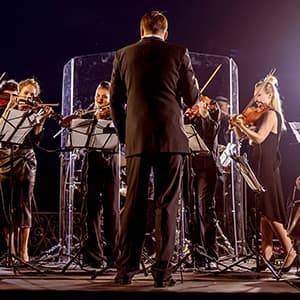
Spotlights on a stage
Image of Mahler's Ninth Symphony

Mahler's Ninth Symphony Tickets

Up to 30% Off Compared to Competitors.

No Extra Fees • No Hidden Costs • Free Shipping

Location: Select Location (e.g, New York)

Events Nearby

We're Sorry. There are currently no events near you.

Mahler's Ninth Symphony

No Events Available

About Mahler's Ninth Symphony

In contemporary concert settings, Mahler's Ninth Symphony continues to captivate audiences with its emotional intensity and orchestral richness. With performances conducted by renowned maestros, the symphony is a regular feature in major concert halls globally, from the Berlin Philharmonic to the Vienna State Opera. Recently, orchestras have been integrating modern interpretations and digital enhancements, attracting a younger audience while staying true to Mahler's original vision. Special events may include themed concerts focusing on farewells and reminiscence, complementing the Ninth's overarching themes. The symphony frequently forms the centerpiece of festivals dedicated to Mahler’s works, emphasizing its central role in the composer’s legacy. As orchestras strive to expand the audience's appreciation for classical music, they often organize pre-concert talks and listen-along sessions that dissect the Ninth’s movements, making it more accessible. Additionally, collaborative performances involving contemporary artists and multimedia presentations are becoming increasingly popular, demonstrating this symphony's timeless relevance and its ability to resonate with new generations. As part of broader cultural dialogues, Mahler's Ninth invites reflection on personal and collective experiences, making each live performance a significant and moving event in the concert world.

Mahler's Ninth Symphony History

Mahler's Ninth Symphony, completed in 1910, is often regarded as one of the composer’s most profound works, embodying a unique blend of emotional depth and complex orchestration. While Mahler experienced significant personal and artistic challenges during the creation of this symphony, he saw it as a reflection of his existential struggles, particularly in the face of impending mortality. The Ninth, in essence, is viewed as Mahler's farewell to the world, weaving themes of love, loss, and acceptance throughout its five movements. This symphony was Mahler's last completed work before his death in 1911, making it a poignant centerpiece for both orchestras and audiences alike. Its premieres were significant cultural events; the first performance was in 1912, conducted by Bruno Walter, and it received a varied reception. Over the decades, Mahler's Ninth has evolved into a staple of the orchestral repertoire, celebrated for its emotional grandeur and intricate structural design. Therefore, the symphony captures the struggles of the early 20th century, offering listeners both a historical reflection and a timeless exploration of the human condition. As Mahler's notoriety grew posthumously, so did the recognition of the Ninth Symphony as one of the most critical works in the symphonic canon, often included in orchestral concert seasons around the world.