Handel's Water Music Tickets
Up to 30% Off Compared to Competitors.
Location: Select Location (e.g, New York)
Events Nearby
We're Sorry. There are currently no events near you.
About Handel's Water Music
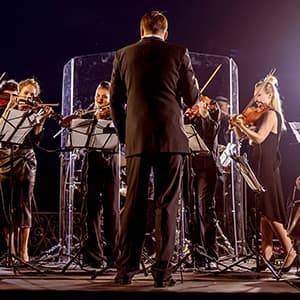
Currently, Handel's Water Music remains a prominent piece in concert hall programming, frequently featured by orchestras during summer festivals and outdoor concerts, emulating the extravagance of its debut on the Thames. Modern renditions, both traditional and contemporary, breathe new life into the work. Orchestras often present the suites under the guidance of expert conductors who aim to capture the original spirit of the piece while making it accessible for today's audiences. In recent years, Water Music has also found its way into film soundtracks and popular culture, further expanding its reach and influence. Various ensembles perform the piece in arrangements that incorporate modern instruments and styles, showcasing its versatility. Additionally, concert series celebrating Baroque music often highlight Water Music, along with other works by Handel, to educate and engage audiences about the historical context and the rich musical landscape of the period. The timeless appeal of Water Music continues to draw in both classical music enthusiasts and new audiences, making it a beloved classic in the concert repertoire.
Handel's Water Music History
Handel's Water Music was composed in 1717 and consists of three suites, featuring a rich array of orchestral instruments. Commissioned by King George I for a grand river party on the Thames, this celebrated suite exemplifies the Baroque genre's elegance and jubilance. The premiere took place on a barge, which is notable for its unique setting, as the audience and musicians were afloat on the water, adding an atmospheric charm to the performance. Handel's composition mixes various dances and is characterized by its lively movements, including the popular 'Alla Hornpipe' and 'Air.' Over the years, the work has been a staple in concert repertoires and has seen numerous interpretations and arrangements. The historical context of the piece reflects the symbiotic relationship between the burgeoning public concert culture of the 18th century and the aristocratic patronage that shaped many of the era’s compositions. Today, Water Music continues to celebrate its rich historical tradition, being performed by various orchestras worldwide, often during festivities and special events that mirror its original context of celebration and grandeur.